
Key coating decisions for LNG asset protection
Justin Hair, Sherwin-Williams Protective & Marine, Tulsa, Oklahoma (U.S.)
Natural gas moves through a long and complex chain of extraction, liquefaction, storage and export. Each stage exposes steel assets to corrosion threats that can shorten service life, increase maintenance demands and raise operational risk. For liquified natural gas (LNG) owners, operators, and engineering, procurement and construction (EPCs) firms, the opportunity is not simply to choose a coating, but to select systems that can support long-term performance across insulated process assets, storage tanks and pipeline infrastructure. High-performance coatings can play an important role in that effort.
A strong coating strategy starts with coating specifications. Because many LNG projects involve globally sourced materials, modular construction and multiple suppliers, specifications need to help ensure compatibility, durability and consistent performance from fabrication through installation and long-term service. Legacy specifications can provide a useful starting point, but project teams should also evaluate newer coating technologies that may offer stronger performance or simpler long-term maintenance.
Three Areas Deserve Special Attention in LNG Projects:
- Corrosion under insulation (CUI): Insulated piping, vessels and process assets remain vulnerable when moisture becomes trapped beneath insulation and cladding, especially in coastal environments (FIG. 1).
- Secondary containment areas and surrounding tank systems: LNG and related facilities depend on coating and lining systems that can help protect tanks, adjacent structures and spill-risk zones from corrosion and environmental exposure.
- Pipeline and field-applied protection: Underground pipelines, girth welds and high-stress installation environments require coating systems designed for long-term corrosion control and damage resistance.
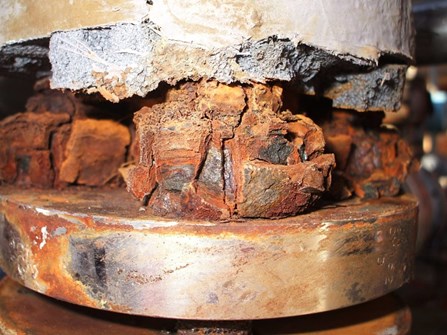
FIG. 1. CUI can be mitigated or eliminated by optimizing coating selections.
Start by addressing CUI risk early. For many LNG facilities, CUI remains one of the most persistent and potentially costly threats. Moisture intrusion, chlorides and thermal cycling can accelerate corrosion beneath insulation systems on both hot and cold assets, which is why owners and EPCs should evaluate coating technologies that do more than satisfy historical specifications. They should also assess whether newer liquid-applied coatings for LNG service or thermal insulative coatings can help improve durability, simplify maintenance or even eliminate the insulation-related corrosion pathway altogether.
When evaluating CUI strategies, teams should consider:
- Newer liquid-applied coatings that may improve performance versus older legacy systems
- MIO-enhanced technologies that can increase durability (FIG. 2)
- Thermal insulative coatings that can help remove the underlying cause of CUI by replacing conventional insulation in select applications (FIG. 3)
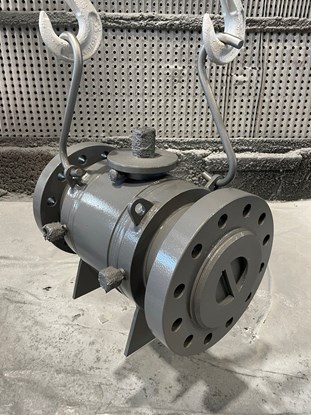
FIG. 2. Certain newer liquid CUI-mitigation coating options with a high concentration of at least 25% micaceous iron oxide (MIO) pigment help to enhance durability against impacts, chemicals and corrosion.
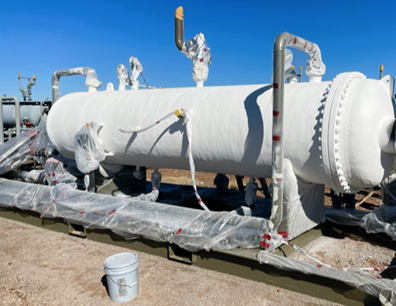
FIG. 3. Thermal insulative coating systems can be used on process vessels and other assets in place of traditional cladded insulation systems, eliminating CUI altogether for a variety of applications.
Think beyond the tank shell. Storage tanks often receive the most attention, but long-term LNG asset protection depends on more than a single coating decision. Project teams should evaluate the full system around tanks, including external exposure, internal lining considerations where relevant, and protection for adjacent containment or support areas. In harsher coastal environments, coating choices may need to withstand more severe atmospheric exposure, while inland environments may require a different balance of performance and cost. The key is matching coating systems to service conditions rather than relying on a one-size-fits-all specification.
For tank-related infrastructure, it helps to evaluate:
- Expected service environment and corrosivity
- Construction and shipping conditions that could affect primers and shop-applied systems
- Long-term topcoat durability and weatherability
- Protection for nearby secondary containment areas where leaks or spills may create additional exposure.
Teams evaluating storage-related decisions may also benefit from reviewing guidance on floating roof systems and tank linings, as they balance external protection with internal performance requirements.
Protect pipelines for the conditions they actually face. Pipelines connecting extraction, processing, storage and export facilities face more than buried corrosion alone. They also face installation damage, wet and rocky terrain, and the challenge of protecting girth welds in field conditions (FIG. 4). That is why pipeline protection should be approached as a full-system issue, not just as a question of which base coating to apply in the shop. Owners and EPCs should think about how coating systems perform through handling, transportation, installation and long-term service.
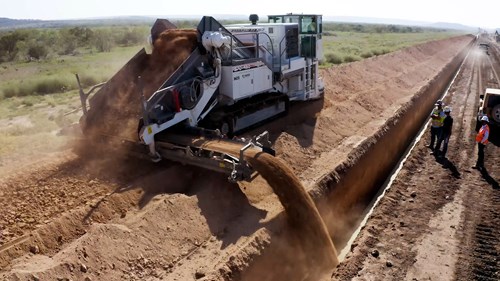
FIG. 4. A moisture-resistant and abrasion-resistant overcoat applied over top of a conventional fusion-bonded epoxy (FBE) mitigates water penetration and resists abrasion, enabling the coating to maintain its integrity even during horizontal directional drilling (HDD) and backfilling.
Good pipeline coating discussions should include:
- Corrosion resistance for buried service
- Added protection against abrasion and moisture in difficult installation environments
- Field-applied solutions for girth welds and repairs
- Whether the selected system supports long-term integrity goals for the specific terrain and operating conditions involved.
Just as importantly, pipeline-related coating decisions should connect back to broader coating specifications, so systems are selected with real service conditions, construction methods and maintenance expectations in mind.
Key takeaways for owners and EPCs. LNG infrastructure projects are too complex to depend on outdated assumptions or isolated product choices. Owners, EPCs and suppliers get better outcomes when they evaluate coating strategies early, match systems to real service conditions and build specifications that account for newer technologies as well as long-term maintenance realities. When that happens, coating systems can do more than protect steel. They can help improve reliability, reduce disruption and support longer asset life across the LNG value chain.
For a deeper look at this topic, read the full article: Protecting LNG infrastructure with high-performance coatings.
Justin Hair is a Key Account Manager for Sherwin-Williams Protective & Marine based in Tulsa, Oklahoma. With approximately 30 years of service dedicated to the oil and gas coatings industry, both as an industrial painting contractor and a Sherwin-Williams oil and gas team member, he has specialized in multiple subject matters related to aboveground petroleum storage tank industry challenges. Contact: Justin.M.Hair@sherwin.com.
Related News
Related News

- Cheniere signs deal with Bechtel to expand U.S. LNG export capacity
- U.S. natgas prices hit 20-week high on LNG flows, heat outlook
- Baker Hughes’ fuel flexible NovaLT™ 16 gas turbine certified by RINA for marine propulsion
- Commonwealth LNG FID attracts global syndicate of leading banks
- U.S. natgas futures rise as hotter weather boosts demand, some spot prices negative

Comments