
Lining up for storage tank savings
J. ZIMMERMAN, Sherwin-Williams Protective & Marine Coatings; C. SUMNER, Sherwin-Williams Protective & Marine Coatings, Oklahoma City, Oklahoma; and R. GALVIN, Sherwin-Williams Protective & Marine Coatings, Calgary, Alberta, Canada
While today’s high-performance, high-solids storage tank lining systems are delivering service lives of 30 years or longer, no liner lasts forever. Each one will eventually need to be replaced, but perhaps not quite as soon as you would think. A cost-saving intermediate fix – overcoating the lining – is a worthwhile option to consider if conditions permit.
A complete lining removal is the standard pattern of thought. However, overcoating the existing lining is a welcome option when the previous lining is in relatively good condition and meets certain criteria. That physical condition, along with a host of other variables, will help tank owners determine whether a lining overcoat is feasible.
Any added service life an overcoat brings allows tank owners to delay the greater expense of a full lining removal and recoat until potentially many years later. The span of additional life an overcoat liner offers, therefore, represents a notable opportunity for owners to stretch their maintenance budgets and realize immediate cost savings. Of course, knowing when this option is feasible and how to do it right is critical.
Why overcoating makes fiscal sense. Storage tank interior maintenance is inevitable, as corrosive contents attack existing lining systems and mechanical damage causes wear. Unless general repairs are possible, many tank owners will elect to completely reline tanks showing signs of coating delamination, mechanical damage, voids in the coating system and other serious deterioration. For example, tanks that have a significant amount of steel loss from bottom-side corrosion, as confirmed via ultrasonic testing, will likely not be good candidates for a relining, particularly if a high number of patch plates are required (FIG. 1).
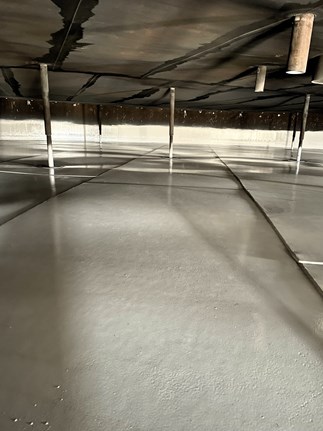
FIG. 1. An original lining with minimal pitting corrosion and bottom-side corrosion is often a potential candidate for a lining overcoat, provided other conditions are met.
There has been a preference among tank owners, coatings manufacturers and associated industry standards to replace linings without question to minimize risks. However, industry players, including manufacturers like Sherwin-Williams, now have sufficient field experience with overcoated liners that have successfully extended the service life of the original liners. This experience helps them guide owners through the process of assessing tanks for overcoating (FIG. 2). Such overcoatings are becoming more feasible as newer, 100% solids lining products are allowing in-service tanks to be in better overall condition after decades of use. So, the risk profile for overcoated linings has diminished, while the return has increased.
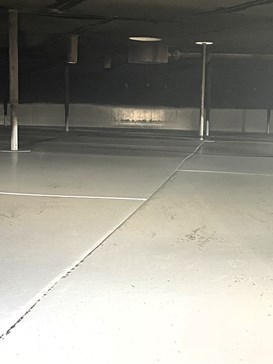
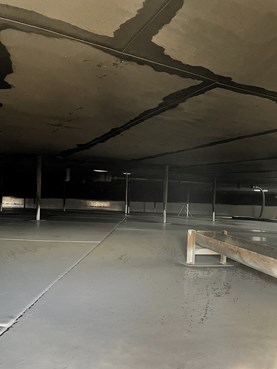
FIG. 2. Tank owners can benefit by working with technical service representatives from coatings manufacturers to assess a tank’s feasibility for an overcoat. For example, they may recommend this lining for an overcoat due to its reasonably good condition with minimal delamination and mechanical damage.
As the overcoating of existing linings has become a better option, owners stand to save in the following areas:
- Time: Overcoating a tank lining keeps an asset out of service for far less time than when installing a new lining.
- Effort: Surface preparation activities are lighter, as maintenance technicians don’t need to remove the existing liner and blast it down to an SSPC SP-10, Near-White Metal Blast Cleaning, level. In addition, fewer mils of lining material are required for an overcoat, reducing labor on the application side as well.
- Costs: Less labor for surface preparation and applying coatings both lead to lower overall costs. In addition, the lower applied coating thickness and reduced waste disposal contribute to cost savings.
- Budget: The lifecycle boost an overcoated lining provides pushes the greater expense of a full relining off into the future, while extending the tank’s life through another inspection interval. This helps tank owners spend less cash in the near term and forgo high unexpected costs from a surprise maintenance need.
When to avoid lining overcoats. Determining whether an existing tank lining is a candidate for overcoating requires a careful process of elimination to make a qualified decision. Tank owners will need to know several service history facts about both the tank and the lining. Those data points will provide a series of qualifications – on paper – that will reveal whether a money-saving overcoat may be feasible or not. However, the results of a tank inspection will be the final determining factor.
Such background investigations may determine the risk profile for overcoating a tank lining is too great, particularly in the following scenarios:
- The tank stored an especially challenging commodity. Harsh, aggressively high- and low-pH commodities, water-sensitive cargos, fertilizers and various chemicals can penetrate lining materials and stay within the coating matrix for some time. Even surface preparation activities that would be used to enable overcoating may not remove this entrapped material, which could then hinder the lifecycle of any lining overcoat.
- The owner is unsure what has been stored in the tank. Knowing what’s been housed inside a tank over the complete life of the existing lining is critical. Most owners keep accurate logs of stored contents, and many tanks house the same materials throughout their lining service lives, making this assessment easy. However, records may be incomplete, particularly for tanks used for swing service. Not knowing the commodity greatly increases risks associated with overcoating.
- The existing liner is too brittle. As liners age, they can become less flexible and can be damaged from surface preparation, resulting in star fracturing of the existing liner, which in return can result in loss of adhesion of newly applied systems.
- The full liner will be too thick with an overcoat applied. The maximum dry film thickness (DFT) allowed for a tank lining will vary depending on the coating system used, but it’s important to not exceed that marker with an overcoat. Excess thickness increases internal stress on the coatings as the materials cure and shrink. Throughout the tank loading and unloading process, various strains, heat and excessive DFT can all contribute to reducing the flexibility of the lining and therefore shorten its service life.
- The tank lacks sufficient mechanical integrity. A tank in service for 40 years has that many years of structural life behind it. The steel has experienced four decades of corrosive attacks. Ultrasonic thickness scans may show it has lost some material or thickness via pitting corrosion, or it may have a number of patch plates installed due to steel loss from bottom-side corrosion. In addition, the tank has faced fatigue from thermal cycling and pressure variations. Given this history, the tank might not be the best candidate for an overcoat that will add significant weight and stress to the steel. Granted, there is some subjectivity involved here, as tank owners may have differing thresholds for the percentage of tank bottom repairs they consider to be acceptable before disqualifying a tank for overcoating.
Testing to confirm overcoating eligibility. It’s important for tank owners to complete a thorough assessment of the integrity of a tank’s existing lining before committing to the possibility of applying an overcoat. The extent of that analysis will likely vary among tank owners. Some may simply perform visual inspections, noting any delamination, coatings defects or mechanical damage to determine if overcoating is possible.
However, most owners will conduct deeper assessments based on guidelines published in API Recommended Practice 652: Linings of Aboveground Petroleum Storage Tank Bottom or API Standard 653: Tank Inspection, Repair, Alteration and Reconstruction. Coatings suppliers like Sherwin-Williams can assist with this process, helping tank owners determine pass/fail criteria based on each test’s methods.
Some or all of the following tests are likely to be in the mix:
- ASTM D6677-18, Standard Test Method for Evaluating Adhesion by Knife: This cross-cut test method assesses the adhesion, or bond strength, of the existing liner.
- ASTM D4541-22, Standard Test Method for Pull-Off Strength of Coatings Using Portable Adhesion Testers: This hydraulic adhesion test helps inspectors determine a lining’s pull-off strength across various areas of a tank interior to decide whether it’s sufficiently adhered to the steel substrate.
- ASTM D714-02, Standard Test Method for Evaluating Degree of Blistering of Paints: Inspectors will examine and rate all existing blisters inside a tank and compare their sizes and densities to photographic reference standards associated with this test to evaluate their severity.
- ASTM D2240-15, Standard Test Method for Rubber Property – Durometer Hardness: For this test method, inspectors will determine the Shore D hardness of the lining.
Both the ASTM D6677-18 and ASTM D4541-22 tests can be destructive and may require spot repairs afterwards. However, that’s of little concern since coatings maintenance – whether overcoating or a full removal and recoat – will be in the plans regardless.
The overcoating process. Once a tank is approved for a lining overcoat – often via assessment support offered by a coatings manufacturer – the team can develop a plan to determine the best path forward for applying the coatings. The focus will be on ensuring the adhesion and compatibility of the overcoat rather than creating a completely new system as you would when fully restoring a lining.
Surface Prep. For the overcoat lining to adhere properly, the existing lining will need to be as clean as possible. Any surface contamination could hinder adhesion, leading to the potential for blistering and premature failure. Applicators will perform a high-pressure water wash, being careful to remove all contaminants such as oils, greases and salts. If hydrocarbons were stored in the tank, applicators will also use detergent or an alkaline solution to help break down oily residues and remove organic contaminants.
Applicators will need to perform mechanical prep via blasting per SSPC SP-18, Thorough Spot and Sweep Blast Cleaning for Industrial Coatings Maintenance. Sherwin-Williams can help applicators with this step by recommending appropriate pressures and blast media to ensure the original lining stays in good condition.
Overcoat Application. The lining material chosen for overcoating should be appropriate for both compatibility with the existing lining and the intended service. Potential solutions may include an ultra-high-solids epoxy amine (such as Dura-Plate® UHS) or a novolac epoxy (like Nova-Plate® UHS or Nova-Plate® 360).
It’s particularly helpful for the overcoated lining to have sufficient flexibility to accommodate flexions of the steel tank substrate and the original lining. The steel and each of the lining materials – the original and the overcoat – may all expand and contract at different rates, creating the potential for cracking if flexibility is not considered.
The application process can be quite efficient, as ultra-high-solids products like Dura-Plate UHS and Nova-Plate UHS typically need just one pass to achieve the required DFT based on the manufacturer’s guidance (FI.G 3). In addition, any priming will only be needed on any areas where the steel substrate has become exposed.
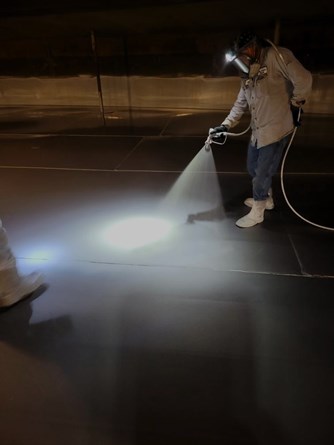
FIG. 3. The lining overcoat application process typically requires just one coat of an ultra-high-solids product like Dura-Plate® UHS or Nova-Plate® UHS from Sherwin-Williams Protective & Marine
Inspection. Quality control is critical to the success of any lining installation, including overcoats, and should be part of the entire process (FIG. 4). It is helpful to work with AMPP Certified Coating Inspectors throughout a project, as they’re trained to examine the integrity of protective coatings to ensure quality installations.
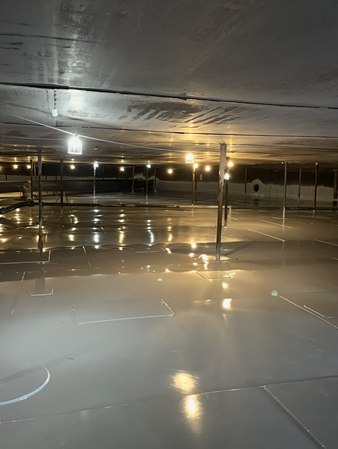
FIG. 4. Before approving a tank lining overcoat for service, inspectors will perform various quality control checks to verify the final applied thickness and that there are no holidays.
For the overcoat application step, pre- and post-overcoating DFT measurements will help ensure technicians applied the proper coating thickness. Inspectors may also perform holiday testing across the entire tank surface, using a low-voltage “wet sponge” holiday detector that indicates conductivity to the tank’s metal substrate where any coating deficiencies are present.
If any film thicknesses are deemed to be too low or if holidays are detected, applicators will need to perform spot repairs and then reinspect those areas.
Making the right choice. Carefully assessing an existing lining’s condition and performing a host of in-depth tests can help owners make a final determination on the feasibility of overcoating a lining. Working with field service representatives and AMPP Certified Coating Inspectors from coatings manufacturers can be especially helpful here to minimize risks. For example, technical service representatives from Sherwin-Williams can offer assessments and recommendations based on the lining’s existing condition and direct owners to the optimal overcoating solutions based on the tank’s condition and anticipated storage needs. They won’t hesitate to recommend a complete removal and replacement if their assessment warrants it. But when their findings reveal that a lining overcoat is feasible, tank owners can realize meaningful cost savings today while buying valuable time for the future.
ABOUT THE AUTHORS
John Zimmerman is a Key Account Manager for Sherwin‑Williams Protective & Marine based in Saint Paul, Minnesota. An AMPP Senior Certified Coating Inspector, Zimmerman brings 20 years of experience in the protective coatings industry, spanning sales leadership, market development, and technical support across North America. He supports customers in the downstream energy segment, including petroleum and renewable fuel refining. Contact: John.T.Zimmerman@sherwin.com
Calvin Sumner is a Key Account Manager for Sherwin‑Williams Protective & Marine based in Edmond, Oklahoma. An AMPP Senior Certified Coating Inspector with 20 years of service in the protective coatings industry throughout North America, Sumner supports customers across the midstream energy segment, providing technical guidance and asset‑protection solutions for pipelines and related infrastructure. Contact: Calvin.L.Sumner@sherwin.com
Robert Galvin is a Key Account Manager for Sherwin‑Williams Protective & Marine based in Alberta, Canada. With more than 20 years of experience in the protective coatings industry, Galvin supports Canadian Owners across North America in the oil and gas energy segment. He leverages deep market knowledge and technical coatings expertise to assist asset owners, engineers, and applicators throughout the continent. Contact: Robert.H.Galvin@sherwin.com
Related News
Related News
- Mitsubishi Heavy Industries Compressor acquires Swiss rotating equipment maintenance company AST Turbo AG
- RWE strengthens partnerships with ADNOC and Masdar to enhance energy security in Germany and Europe
- TotalEnergies and Mozambique announce the full restart of the $20-B Mozambique LNG project
- Venture Global wins LNG arbitration case brought by Spain's Repsol
- CB&I awarded EPC contract for two LPG storage spheres in Canada

Comments