

Optimum valve design selection to achieve tight shut-off isolation in black powder-generated gas processes
Gas processing systems are similar to any hazardous or flammable systems where tight shut-off isolation requirements are intolerable and compulsory for safe, reliable and profitable assets. This article will focus on best practices and the optimum selection to achieve positive isolation for gas processing isolation valves in a black powder (BP) environment or similar process-generated debris. It will also detail recommended operation techniques to ensure a tight shut-off condition for critical isolation valves with the presence of such byproduct.
Source and impact. BP is a continually generated scale (FIG. 1 and TABLE 1) in gas processing systems that can be caused by one of the following assumptions:
- Mill scale that comes from the pipe manufacturing process through the high-temperature oxidation of steel.
- Flash rust from hydrotest water corrosion
- Internal pipelines corrosion or hydrogen sulfide (H2S) reaction with steel.
- Carryover from gas gathering systems
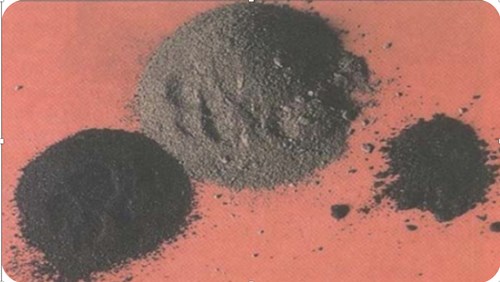
FIG. 1. Black powder is a continually generated scale in gas processing systems.
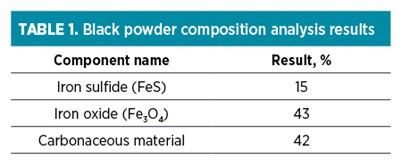
Accumulation of BP in the critical sealing area within a valve body will dramatically hinder isolation valve tightness and, therefore, jeopardize plant safety and integrity whenever it is necessary to isolate downstream systems.
RECOMMENDED PRACTICE AND SOLUTION FOR EXISTING SYSTEMS
Aside from the continued filtration of piping systems to reduce the accumulation of BP and other residuals, there are two techniques to coexist/accommodate BP's negative impact on tightness of valves isolation.
Technique 1: Drain residuals/BP outside the piping system. The draining of residuals/BP can be achieved by providing an access point within the valve at the lowest spot through any drain connection to the blowdown system. An example of this is a gate valve or ball valve bottom drain, or a nearby drain (FIG. 2).
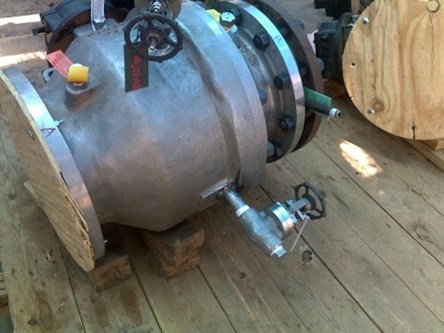
FIG. 2. Provisions/access within a ball valve.
This should be done before stroking the valve to its final position to avoid compacting the BP, which converts it from powder to a rocky state. A closure element (gate/disc) is preferred to be stroked up to 90% of its closure travel. This is mainly to create turbulence and a disturb/flush valve bottom (FIG. 3) and ensure a clear bed for the closure element to rest in its tight shut-off position.
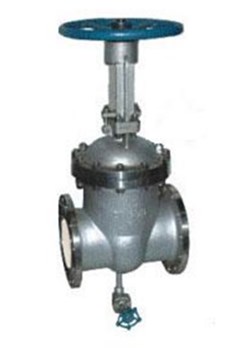
FIG. 3. Provisions/access within a gate valve.
Technique 2: Flush residuals/BP to process downstream sides. If there is no draining point near the valve, the above technique of partial closure can still be followed, but an extended period of time is needed to allow all particles to travel downstream to the valve. It is also critical to avoid full closure of the valve to avoid clogging.
Available solutions for new construction include:
- Valves with an external bottom drain: This a simple and cost-effective option; precautions must be taken during the loading/unloading of the valve when transported to the construction site to avoid damage to the drain connection
- The use of a valve that avoids an interaction with a valve bottom where residuals accumulated (e.g., a segment plug) (FIG. 4).
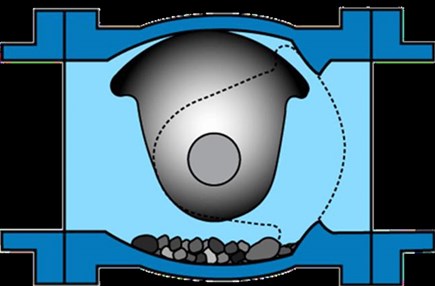
FIG. 4. Segment plug valve.
Takeaways. It recommended to treat each critical isolation valve with the malfunctions mentioned above on a case-by-case basis—depending on what is available around the connections and drains—and to apply the techniques above. This is mainly for existing systems. For new construction, critical valves should be equipped with provisions to secure all outlets for any accumulation. A better choice is to select a valve with special feature injections or closure elements that are separated from these residuals in both open and closed positions.
ABOUT THE AUTHOR
Omar Al-Amri is a piping and valve engineer in the Consulting Services department for Saudi Aramco. He has also worked as a stationary equipment engineer before increasing his focus on piping and valves. Al-Amri is an API-570 Certified Engineer and hold many U.S. patents linked to valves and piping components. He earned a BS degree in mechanical engineering from the University of Petroleum and Minerals (Saudi Arabia) and has worked for many major companies, including Maaden. The author can be reached at omar.amri@aramco.com.


Comments